


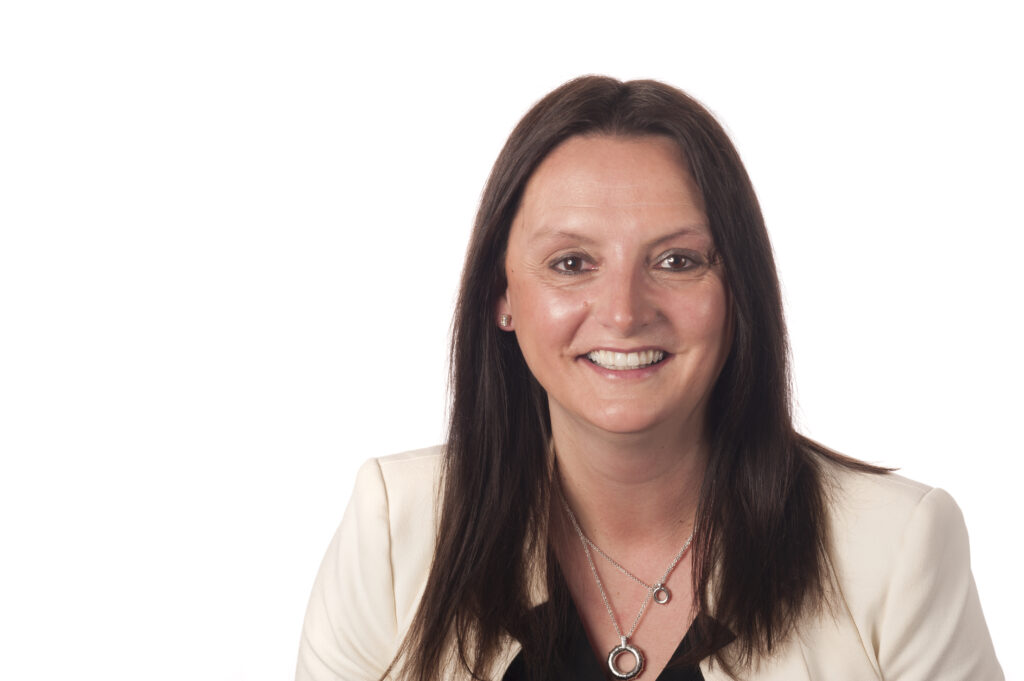
Rachel Gidman is the Executive Director for People and Culture at Cardiff and Vale University Health Board.
The impact of the COVID-19 on the health and care system in Cardiff and the Vale of Glamorgan was immense: our services, our processes and, vitally, our people were all changed in some way as a result of the pandemic.
While many of our people were able to adapt, innovate and face the challenges presented to them, the physical and emotional strain of doing so, as well as the toll of simply doing their jobs in such unprecedented conditions cannot be overstated. As the vaccination rollout continues to give us hope for the future and look to our plans for organisational recovery, we can consider what our long-term goals for the health and wellbeing are for the people of Cardiff and the Vale, and how we are going achieve them with new, exciting services in a post-pandemic world.
There’s an often used quote from author and management consultant, Peter Drucker, which asserts “culture eats strategy for breakfast.” Personally, I am not sure that one trumps the other. Instead, I believe that aligning an organisation’s culture with its strategy is key. A strategy in which a healthy, vibrant, inclusive and compassionate culture is a key part is more likely to succeed than a strategy in which culture is ignored in the hope that it will follow suit. In an organisation of over 14,000 members of staff, this is an incredibly important consideration. If our strategic goals are the mountain’s summit, our strategy is the route we take, and our culture is the desire to reach the peak, the belief we can do it, our ability to support each other along the journey, and that which ultimately determines if we are successful.
Now, as we collectively take a breath ready to plunge into the future of our organisation, we are presented with a unique opportunity to reset our system, really thinking about the core values we want at its heart and build a new organisational culture around that. I would make the case that we should build a new health and care system around our most important asset. Not our estate, nor the equipment we use but our people. The thousands of people who come to work every day each with the desire to help and care for their patients, do their best for the communities we serve, and improve the services they deliver however they can.
The wellbeing of our staff was an incredibly important issue prior to COVID-19 with the number of staff reporting that they felt unwell as a result of work-related stress (according to the NHS Wales All Staff Survey 2018) even before the pandemic hit Wales in spring 2020. At Cardiff and Vale UHB, we have always tried to invest in the health and wellbeing of our staff and can look back with pride on our achievement of Gold and Platinum corporate health standards and the initiatives that contributed toward them.
However, the COVID-19 pandemic has refocussed our minds on the vital importance of the wellbeing of health and social care staff. The Health Board has enacted some wellbeing interventions for staff over the last 16 months including the staff havens (with the support of our Health Charity), investment in the occupational health team and Employee Wellbeing Service, and the development of the Cardiff and Vale Recovery college.
However, we can do more. In fact, if we are to succeed in creating a culture in which our strategy can flourish, then we need to do more. One of the most common complaints of the Health Board as a place to work is its hierarchical structure, too much emphasis placed on the colour of your uniform or salary banding, and that change is driven from the top down with the ideas generated on the frontline ignored, blocked or made unachievable by other barriers and organisational silos. Leaders and line managers need to realise the effect they can have on their staff and colleagues’ mental health and wellbeing, and take personal responsibility for it, changing their leadership styles as appropriate to get the most out of their staff. An inclusive, compassionate leader can bolster or even improve the wellbeing of their staff but must set aside their ego and address their unconscious bias to do so.
As managers, we need to adopt principles of compassion and inclusivity into our leadership styles; I believe that this will create an exceptionally positive impact on the wellbeing of our staff and go a long way to achieving the transformative change to services we’re striving toward. Leading from a place of understanding and authenticity with an openness towards difference and diverse perspectives, especially amongst your staff, is paramount to succeeding in this endeavour.
In this way we are able to build trust between our staff, consider all points of view (especially those that differ from our own), adapt to difficult situations, bring staff along on the journey we are taking, and – crucially – harness and optimise staff’s talent.
By giving everyone a voice and allowing staff to contribute, and come to work as they truly are, we can make them feel empowered to perform at their best, take pride in the work that they do and avoid issues such as anxiety, work-related stress and burnout.
What is key for me is that we should be creating those spaces across the health and social care system for staff to find their voice; we should be working hard to lift each other up, regardless of role, banding, uniform, or other characteristic. I know that we’re not going to be able to achieve this overnight and that there are some biases that will be difficult to change within the system. However, the first step is being willing to try.
I am so excited to be undertaking this challenge as the new Executive Director of People and Culture at Cardiff and Vale UHB. There are a number of upcoming initiatives such as new leadership courses, the 14,000 Voices programme, and the work of the Dragon’s Heart Institute which I cannot wait to get involved with that make it a very exciting, and very busy time at the Health Board.
I realise that it can be difficult to find the time to focus on these aspects of our roles when we continue to face such operational pressures but I know that the seeds we sew now will define how our health system of the future operates. I hope to work and collaborate with you all on these issues in the very near future.